
Clocks across the majority of European countries are set to go forward by one hour early on Sunday as the continent moves to daylight saving time, also known as summer time.
Clocks in most European nations including Germany advance by one hour at 2 am (0100 GMT) to 3 am, heralding longer evenings and brighter days.
This means that for the coming months parts of Europe will be on Central European Summer Time (CEST), before moving back to Central European Time (CET) in the autumn, when clocks go back again by an hour on October 25.
The aim of the change is to make better use of daylight in the shorter days of the winter in the northern hemisphere.
The signal for the automatic changeover of the clocks in Germany comes from the Federal Institute of Physics and Metrology (PTB) in the northern city of Braunschweig, also known as Brunswick in English.
The institute's experts ensure that radio-controlled clocks, station clocks and many industrial clocks are supplied with the signal via a long-wave transmitter called DCF77 in Mainflingen near Frankfurt.
LATEST POSTS
- 1
 Putting resources into Yourself: Self-awareness Techniques
 - 2Vacation destinations in America
- 3After toilet and email issues, Artemis II astronauts fire engine to head for the moon
- 4Irish defence minister's trip to Lebanon cancelled
- 5Posts falsely claim Malaysian minister to relocate public hospital for temple


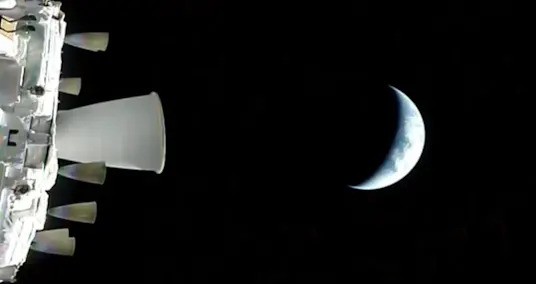


- Starship success, a private moon landing and more: The top 10 spaceflight stories of 2025
- Protester climbs on to balcony of Iranian embassy in London
- Expert advice for new stargazers: How to begin your amateur astronomy journey
- Top Pastry: What's Your Sweet Treat of Decision?
- Vote in favor of your Favored Kind of Scarf
- Wisconsin judge sends Slender Man attacker back to mental health institution after group home escape
- Web designers for Independent ventures
- Flight cancellations: Full list of 40 airports hit by FAA cuts amid government shutdown
- Fisherman Attacked by Great White Shark Says ‘My Left Foot Was in His Mouth’