A massive dust storm, or haboob, swept across the Sahara Desert from western Algeria into Mauritania, Morocco, Western Sahara and the Canary Islands on March 30. The dust stretched for more than 1,000 miles.
As meteorologists observed the dust storm from space via weather satellites, social media users captured the incoming dust storm on camera. One video shows a thick wall of dust and sand moving toward a resident of the town of Tindouf, near the Mauritanian, Western Saharan and Moroccan borders.
How does the dust affect tropical storms in the Atlantic?
While this storm didn't make it too far off the coast, significant amounts of dust can drift westward from Africa across the Atlantic beginning in May. This can inhibit tropical storm formation, or the strengthening of an existing system, because the dusty air has about 50% less moisture than the typical tropical atmosphere.
Strong winds in the dust layer can also substantially increase the vertical wind shear in and around the storm environment, potentially disrupting any storm that forms.
LATEST POSTS
- 1
 AbbVie plans to build out its presence in obesity market
 - 2Figure out How to Store Your Gold Ventures: A Thorough Aide safely
- 3How Mars 'punches above its weight' to influence Earth's climate
- 4Figure out How to Introduce Sunlight powered chargers on Your Rooftop securely
- 5Figure out How to Pick a SUV with Senior-Accommodating Tech Elements


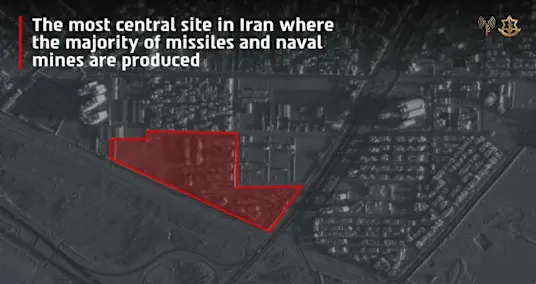
- IDF destroys regime's missile, sea mine production site in Yazd amid nationwide airstrikes
- Favored Organic product for Seniors' Prosperity: Make Your Determination
- Change Your Skincare: 10 Inventive Magnificence Gadgets
- Czech Republic's new premier: No money for Ukraine
- Becoming amazing at Arranging Pay Raises
- Europe pledges over €15bn for clean energy for Africa
- Misjudged Objections For Solo Voyagers
- From School Dropout to Example of overcoming adversity: My Excursion
- 6 Exceptionally Appraised Summer Travel Objections